Embroidery is one of the oldest crafts in human history. Originally developed to reinforce garments and serve practical purposes in daily life, it gradually evolved beyond functionality into a refined medium for expressing culture, artistry, and beauty. Across both Eastern and Western civilizations, embroidery has reflected social status, religious beliefs, and cultural identity, preserving the story of human civilization through every stitch.
Embroidery Heritage
Tracing the Origins of Embroidery,
Connecting Cultures One Stitch at a Time.
Modern Embroidery Inspired by Timeless Craftsmanship and Enduring Beauty
The Eastern Aesthetics of Needle and Thread
Where Eastern Traditions Meet Timeless Elegance
The East
From China to Japan — Embroidery as a Bridge Between Cultures
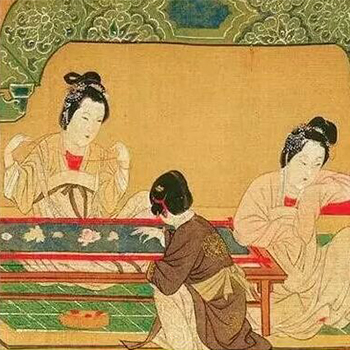
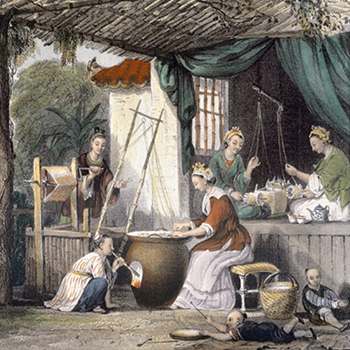
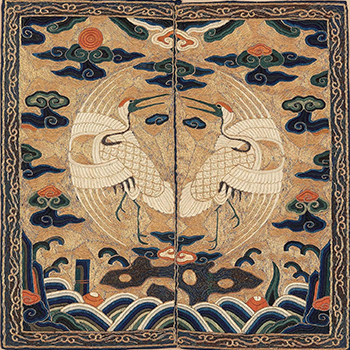
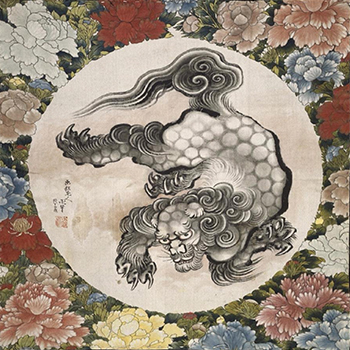
Embroidery in the East traces its origins to the Neolithic Age and flourished upon the foundations of Chinese civilization. The invention of silk elevated embroidery into an art form, while distinct regional styles emerged during the Han and Tang dynasties. By the Ming and Qing periods, embroidery had become a symbol of social status and spread across the world through the Silk Road. Introduced to Japan alongside Buddhism, embroidery matured within aristocratic culture during the Heian period and later became part of everyday life during the Edo period, giving rise to a rich diversity of artistic styles. Throughout history, embroidery has continuously reflected the evolving aesthetics of each era.
The History and Evolution of Western Embroidery
Where Art and Technology Weave Together
The West
From Sacred Traditions to Royal Courts and the Industrial Revolution
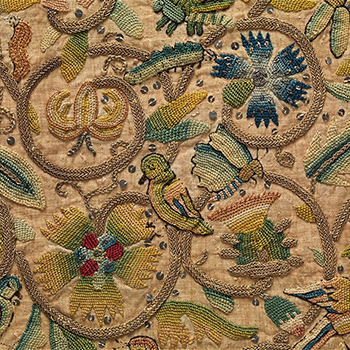
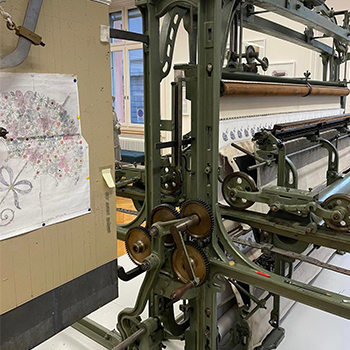
Western embroidery also dates back to ancient civilizations. During the Middle Ages, it was primarily associated with religious art, adorning altar cloths and ceremonial garments with sacred symbols. The Renaissance transformed embroidery into an essential element of royal courts and domestic decoration, expanding its role beyond religion into the expression of secular beauty. Following the Industrial Revolution of the 18th century, machine embroidery became widespread; however, hand embroidery continued to be treasured for its exceptional craftsmanship and elegance, remaining a hallmark of luxury fashion and refined interiors.
Embroidery Weaving the Future
Connecting Tradition with the Future Through Embroidery
A Bridge Between Cultures
Every Stitch Weaves the Future of Tradition and Innovation.
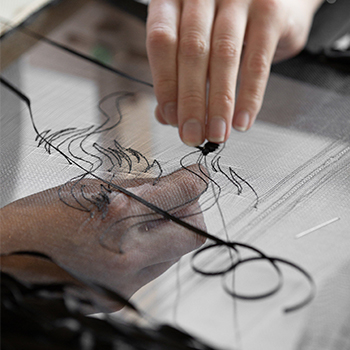
Embroidery is far more than a decorative technique. Throughout history, it has served as a witness to culture, identity, and civilization, preserving the spirit of every era through each carefully crafted stitch. Today, embroidery continues to evolve by embracing new technologies and contemporary design while honoring centuries of tradition. From haute couture to interior decoration and lifestyle products, embroidery remains a timeless art form that continues to inspire creativity and innovation. It is a bridge between past and future, tradition and modernity, connecting cultures across the world through the enduring beauty of craftsmanship.
Copyright © 2021 株式会社LEAR. 無断転載を禁じます。